
 Cas Alderman
Every brand starts with good intentions. The typical style guide includes a tidy set of guidelines, a logo with clear-space rules, an approved color palette, and a tone-of-voice document. But when a campaign actually kicks off, the challenge of brand compliance becomes much more unwieldy, especially when there are agencies and contractors working across 1000s of assets. These assets have multiple variations in various local languages, and getting them through to launch involves a raft of stakeholders focused on their respective purviews.
The cost of brand issues can be minor, or it do lasting damage to reputation, customer perception, even stock price.
Operationalizing brand compliance is the challenge for teams at large enterprises. And at scale, it's a hard problem.
Compliance is broader than most teams treat it
For most people, "Brand compliance," typically evokes things like wrong logos, off-brand colors, or an unapproved font. Visual consistency is important, and it rightfully gets a lot of attention. But brand compliance is broader than that, and includes a wide array of concerns:
Messaging and claims. Did the asset say the product "eliminates" a problem when legal only approved "helps reduce"? Particularly in regulated industries like finance, healthcare, and alcoholic beverages, these sorts of gaffes can mean legal exposure.
Media rights and licensing. Is that stock track licensed for paid social, or only organic? Did the talent's usage window expire last month? Is the influencer disclosure present and correct for each jurisdiction?
Channel and platform requirements. Aspect ratios, safe zones, caption rules, ad-policy constraints. All the focus on the correct logo is wasted if it gets cropped out of the asset.
Context and sensitivity. An asset may have been fine to schedule last week but is now landing in the middle of a news cycle nobody anticipated. On other occasions, a social media manager may post something with much edgier feel than Sr. Management is comfortable with.
Brand (and legal) compliance is the intersection of all of these, evaluated against the specific version of the specific asset that actually goes live. That's why it doesn't scale the way teams hope it will.
The challenges that come with scale
It turns out that creating an authoritative brand or style guide is much easier than enforcing it over time. As volume and reach increases, a host of new problems will rear their ugly heads.
- Distributed ownership. Assets are created by so many different parties, from in-house designers, to regional teams, agencies, and freelancers. These people aren't necessarily up to date brand's nuances and legal constraints. The institutional knowledge sits with a small group, and it's not possible for them to personally review everything.
- Version sprawl. "Final_v3_REALLY-final_legal-edits.mp4" is a because it's true. When feedback lives in email threads, Slack DMs, and spreadsheet trackers, nobody can say with confidence which version was approved or what was actually changed between rounds.
- Lost-in-translation. Yes, it's a pun on localization, but it's more than that. A reviewer leaves a note about the logo in one place, legal flags a claim somewhere else, and the regional lead has concerns in a third. The editor reconciling all of it is effectively doing manual conflict resolution, and things get lost.
- Speed-versus-control. Every approval step is friction, and friction is the enemy of the volume modern brands are expected to produce. Brands invest immense amounts of time and money to manage this problem. Even so, teams sometimes route around the process to hit deadlines, which is exactly when compliance failures slip through.
- No defensible record. When something does go wrong, "who approved this and when?" is often unanswerable. Without an audit trail, you can't demonstrate due diligence if it matters legally.
What actually helps
There's no single fix, but the brands that manage this well tend to share a few habits.
Operationalize the brand & style guide. Don't just focus on the brand/style guide as a platonic ideal of what the brand should be. A more useful version is specific, accessible at the moment of creation, and explicit about the non-negotiables versus the judgment calls. The goal is to reduce the number of decisions a creator has to make from memory.
Define the workflow before the asset exists. Who reviews, in what order, and what each reviewer is actually responsible for. For example legal checks claims; brand checks identity; the channel owner checks platform fit. When everyone reviews everything, accountability dissolves and the same issues get caught late or not at all.
Centralize review and feedback. This is the highest-leverage change for most teams. When all feedback on a given asset lives in one place, attached to the specific version it refers to, the reconciliation problem becomes manageable and transparent. Comments tied to a precise frame or timestamp remove the ambiguity of "the part near the end", because the editor knows exactly what to change.
Make approval explicit and recorded. "Approved" should be a clear state, not a thumbs-up emoji buried in a thread. And it should be captured, so you have a record of who signed off on which version, when.
Automate the checkable parts. A growing share of compliance is mechanical covering things like aspect ratios, presence of required disclosures, color values, and prohibited terms. These can increasingly be flagged automatically before a human ever looks, which frees your reviewers to focus on the judgment-heavy questions machines can't yet handle. The frontier here is moving fast: vision and language models can now flag a missing disclosure or an off-brand claim with decent reliability, and greatly assist human review.
Where a review and approval platform fits
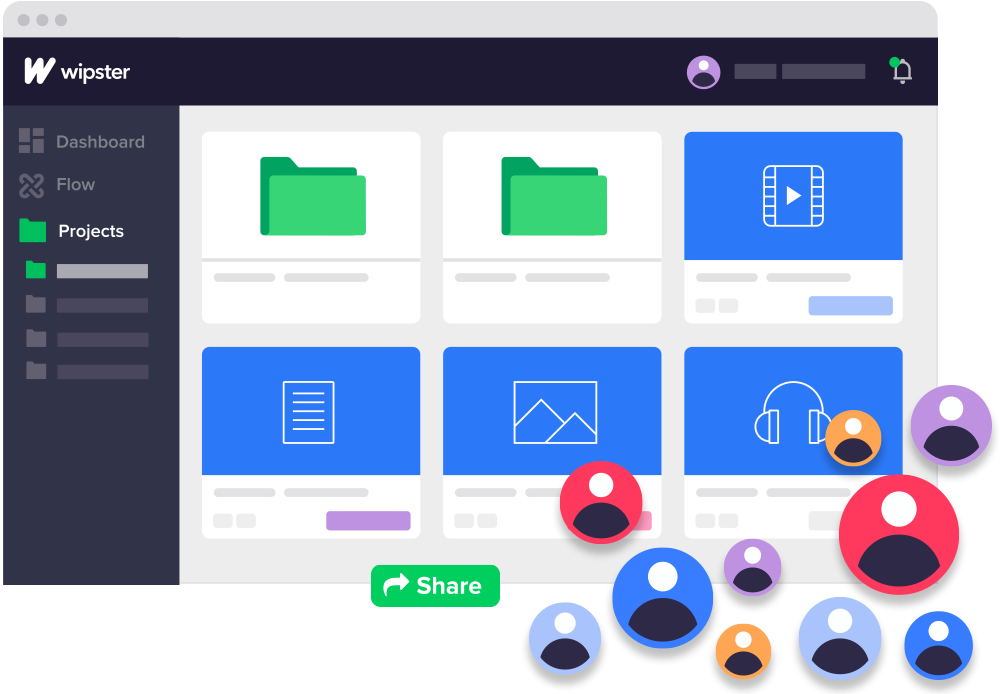
For anything involving video and rich media, a dedicated review and approval platform is usually the mechanism that turns the principles above into daily practice. Tools in this category include Wipster and other players like Frame.io and Ziflow. These platforms exist to solve the centralization, versioning, and feedback problems directly.
The features that matter most for compliance specifically:
- Frame-accurate, time-coded commenting, so feedback attaches to the exact moment in a video rather than a vague description. For compliance review, precision is the whole point.
- Version management, so there's one canonical place to see what changed between rounds and which version is current.
- An approval and audit trail, giving you a defensible record of who approved what.
- Frictionless access for reviewers. Compliance review almost always involves people outside the core production team. (Think legal, clients, regional stakeholders, external partners). If every reviewer needs a paid seat or a fussy account setup, the process leaks back into email. Wipster, for instance, allows unlimited free reviewers, which removes a barrier to getting the right eyes on an asset. It's also the easiest and most intuitive option for your reviewers to easily get in and provide revision notes.
- Integration with where the work is made. Plugins for editing environments like Adobe Premiere Pro, After Effects, and Final Cut Pro keep the review loop close to production rather than forcing exports and re-uploads at every turn.
The one caveat is this: a platform won't fix unclear guidelines, undefined ownership, or a culture that treats review as a box to tick. It removes the mechanical friction and the version chaos, which is necessary but not sufficient. The tool makes a good process fast but the process still needs to be defined.
Brand compliance as part of the culture
Many teams treat compliance as a gate at the end. It's a final check before something ships, owned by whoever happens to be available. That model doesn't scale, because by the end of production the cost of fixing a problem is highest and the time to do it is shortest.
The teams pulling ahead are moving compliance earlier and making it continuous: clear standards at the point of creation, structured review built into the workflow, automated checks handling the mechanical layer, and a complete record of what was approved. Done well, it's no longer a hindrance, and lets you move fast without breaking the brand.
With a well-operationalized brand compliance workflow, you can design a process where fewer mistakes ever happen in the first place.